News

Papers, awards, and updates from the Guo Lab.

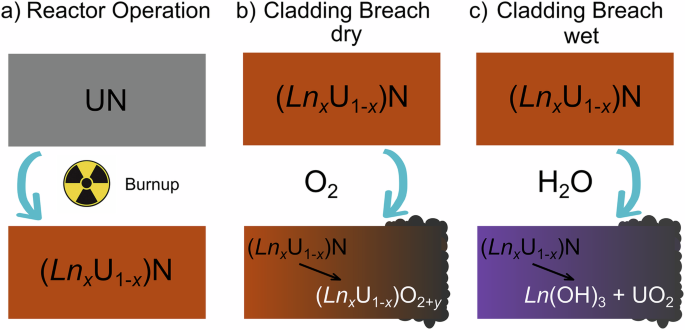
Formation of lanthanide-bearing uranium nitride and reactions after dry or wet cladding breach

Lanthanide nitrides: formation and oxidation

Pascal Uhlemann, Will Vance, and collaborators at Forschungszentrum Jülich investigate how binary lanthanide nitrides form and oxidize at high temperatures. The work informs questions about the stability of uranium-nitride nuclear fuels.

Read more →
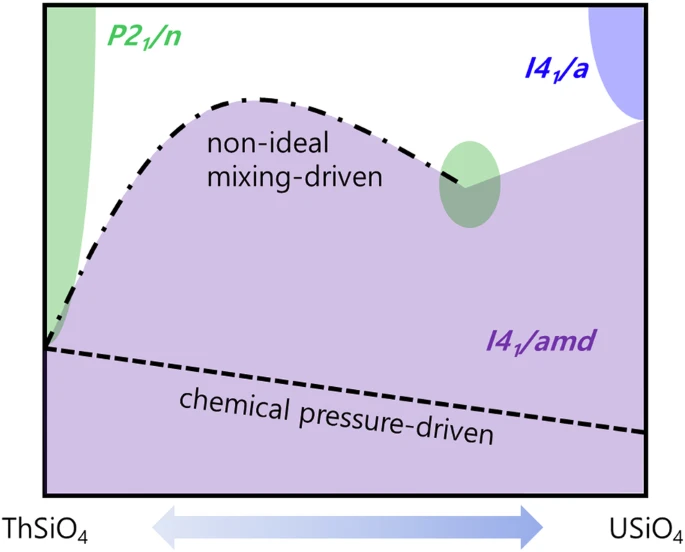
Abstract figure for pressure-induced transitions in uranium–thorium silicate solid solutions

Non-ideal mixing controls pressure-induced transitions

Shinhyo Bang combines high-pressure diffraction and thermodynamic modeling to study uranium–thorium silicates. The work shows how non-ideal mixing can reverse expected trends in transition pressure, connecting composition with pressure-driven phase changes.

Read more →
Will Vance, recipient of a DOE SCGSR award

Will Vance receives DOE SCGSR award

Will Vance receives support through DOE’s Office of Science Graduate Student Research program to work with SNS scientists at ORNL. His project combines MLIP–RMC modeling with the study of uranium fuel systems.

Read more →
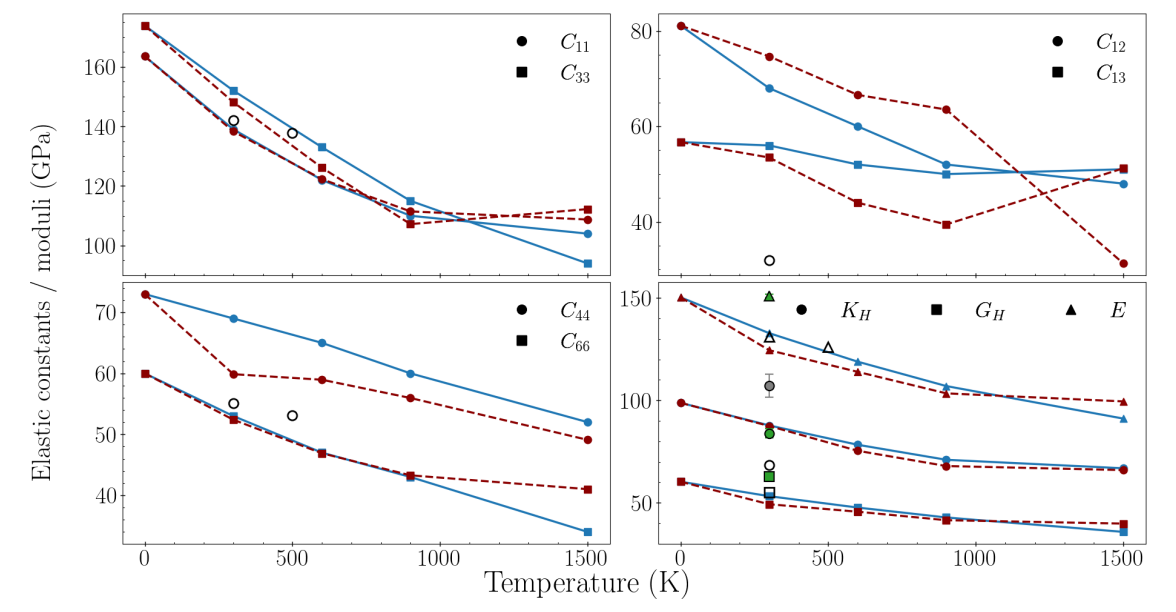
U3Si2 elastic constants and derived moduli versus temperature, compared with experiments.

Why uranium-silicide elasticity measurements disagree

Guo group involvement in Edoardo Brando’s study links U₃Si₂ elasticity measurements to anisotropy and porosity, with thermal softening captured by DFT+U. Collaborators include Johann Bouchet, Marjorie Bertolus (CEA), and Aloïs Castellano (Liège).

Read more →
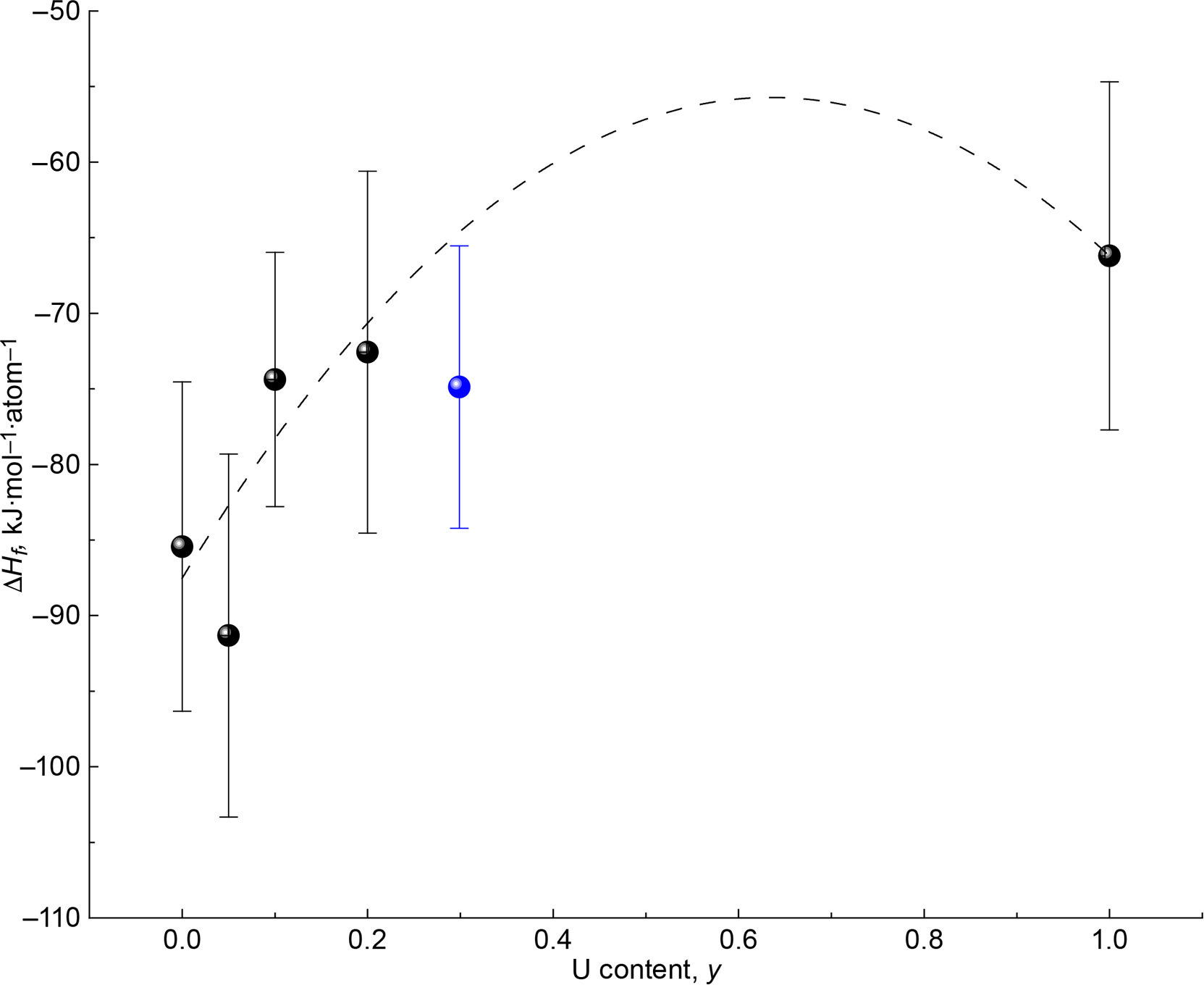
Formation enthalpy of uranium–zirconium oxycarbide solid solutions versus uranium content, including error bars.

Oxygen changes carbide-fuel stability

Shinhyo Bang contributes to a calorimetry study of how uranium and oxygen affect uranium–zirconium carbide stability. Gustavo Costa (NASA Glenn) leads the collaboration with Theodore Besmann (South Carolina) and colleagues at LANL.

Read more →
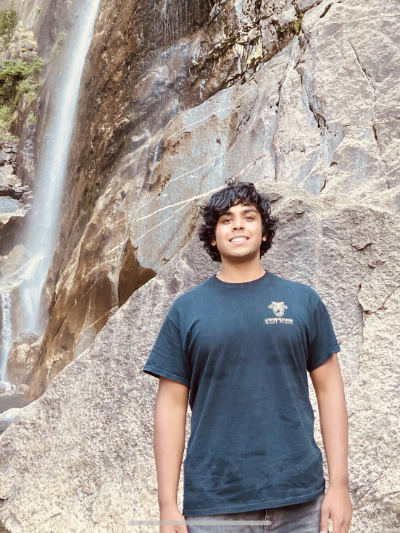
Bhargav Iyer, a 2026 WSU Top Ten Senior in Campus Involvement

Bhargav Iyer named a 2026 WSU Top Ten Senior

Bhargav Iyer is named a 2026 WSU Top Ten Senior for Campus Involvement. The recognition celebrates his student leadership alongside molten-salt waste vitrification research with the Guo group and collaborators at PNNL.

Read more →
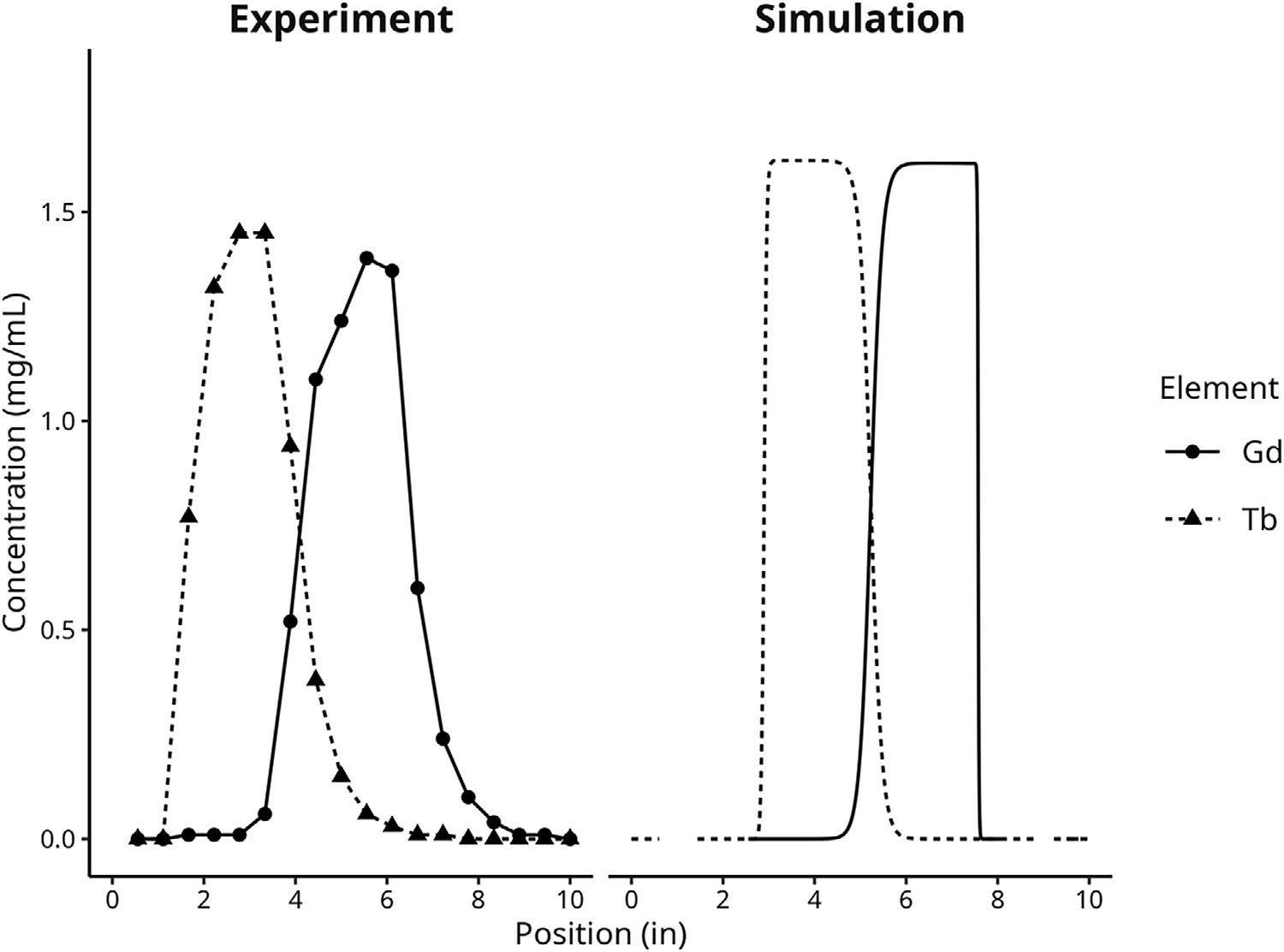
Experimental gadolinium and terbium separation profiles compared with COMSOL simulations after five hours of electrophoresis

Milligram-scale Tb–Gd separation

Hannah Hallikainen demonstrates separation of milligram quantities of gadolinium and terbium using annular free-flow isotachophoresis. Numerical simulations guide buffer design for the rare-earth ion separation experiment.

Read more →
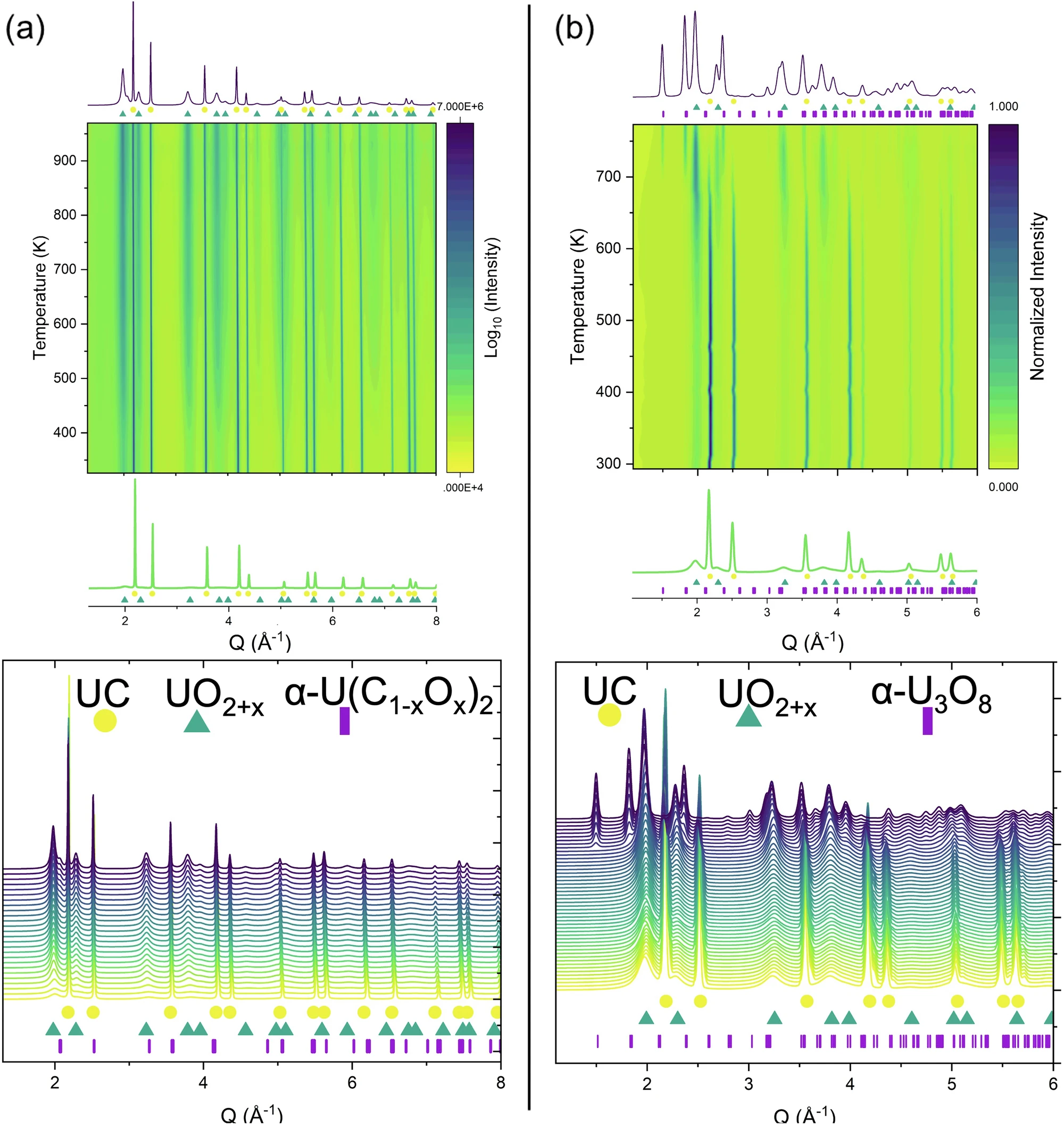
Diffraction measurements of uranium carbide oxidation under sealed and open-air conditions

Uranium carbide oxidation at high temperature

Emma Kindall and Natalie Yaw use synchrotron diffraction to follow uranium-carbide expansion and oxidation at high temperatures. Comparing sealed and open-air conditions helps distinguish the material’s thermal response under different experimental environments.

Read more →
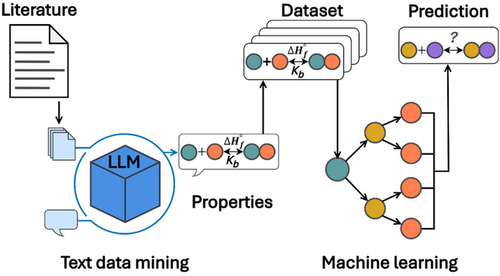
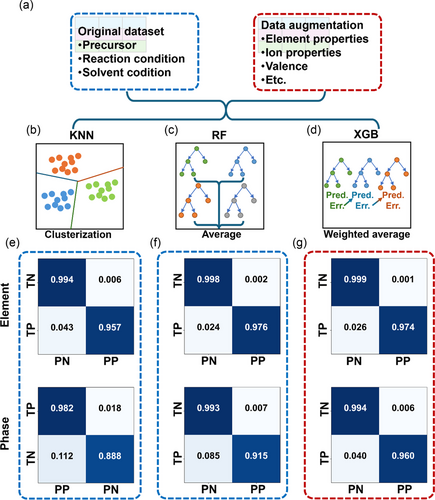
Workflow connecting literature extraction, thermodynamic dataset construction and machine learning

AI datasets for thermodynamic prediction

Juejing Liu develops datasets for predicting mineral formation enthalpies with machine learning. Automated extraction of information from the literature connects published thermodynamic measurements with data preparation for computational prediction.

Read more →
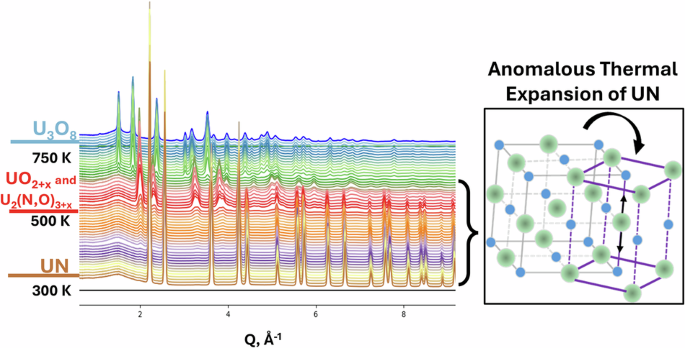
Temperature-dependent diffraction and a lattice illustration of anomalous uranium-nitride expansion

Uranium nitride under oxidative heating

Natalie Yaw leads a study combining high-temperature experiments and atomistic simulations to investigate thermal expansion and degradation of uranium mononitride under oxidative conditions, examining how this fuel responds during heating.

Read more →
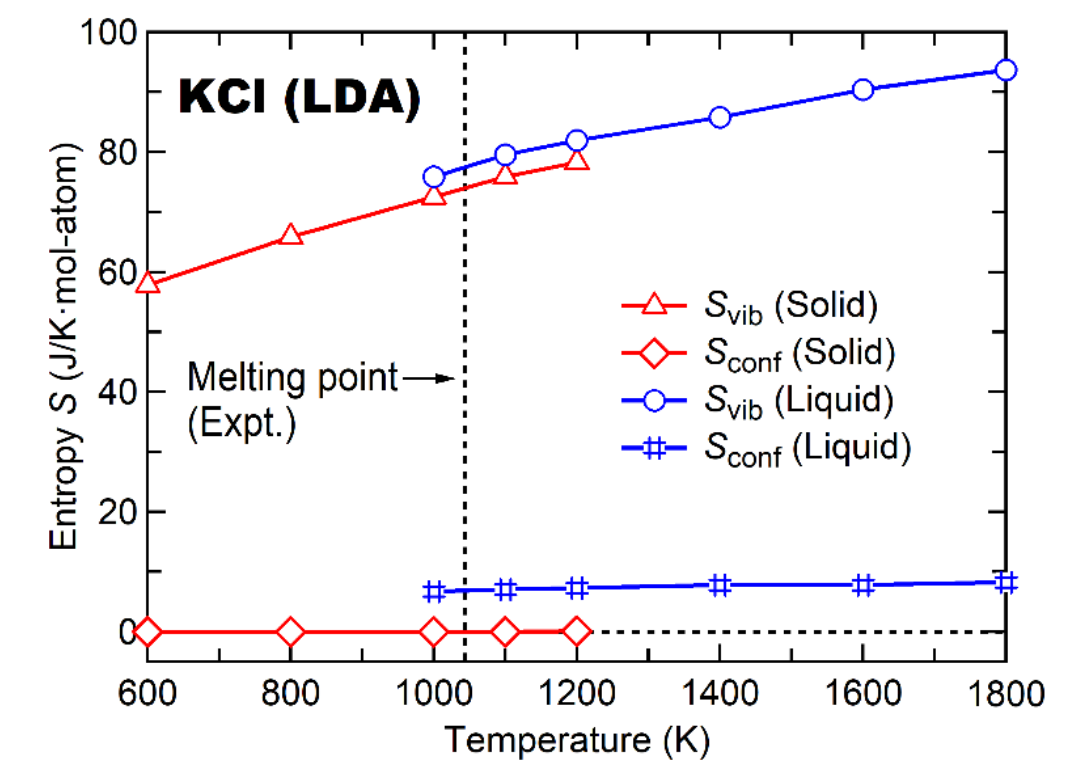
KCl vibrational and configurational entropy in solid and liquid phases versus temperature (LDA).

Predicting molten-salt entropy and melting points

Guo group involvement in Shun-Li Shang’s study combines molecular dynamics and zentropy theory to predict entropy and melting points for 25 fluoride/chloride salts, with Zi-Kui Liu (Penn State), Qi-Jun Hong (ASU), and UK collaborators.

Read more →
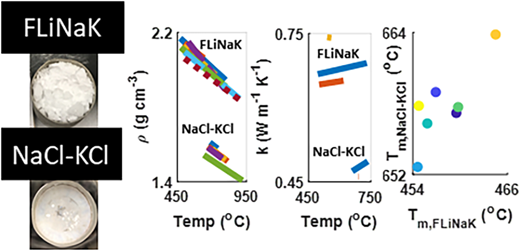
Visual abstract of the interlaboratory molten-salt property comparison

Molten-salt properties across 21 laboratories

Our group joins 21 laboratories to assess uncertainties in FLiNaK and NaCl–KCl properties. The international collaboration with the Scarlat group (UC Berkeley) compares molten-salt property measurements across a broad experimental community.

Read more →
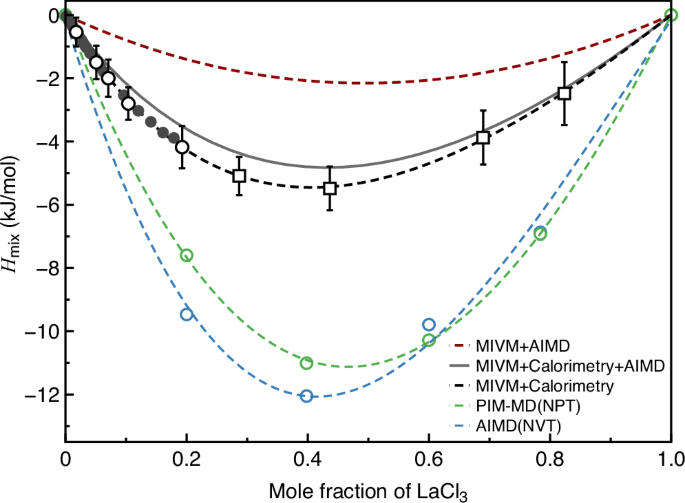
Experimental and modeled mixing enthalpies versus lanthanum chloride mole fraction

A hybrid model for molten-salt mixing

Vitaliy Goncharov combines calorimetry and simulations in a hybrid model for molten-salt mixing enthalpies. The collaboration with the Clark group (Utah) connects experimental heat measurements with computational predictions of salt-mixture energetics.

Read more →
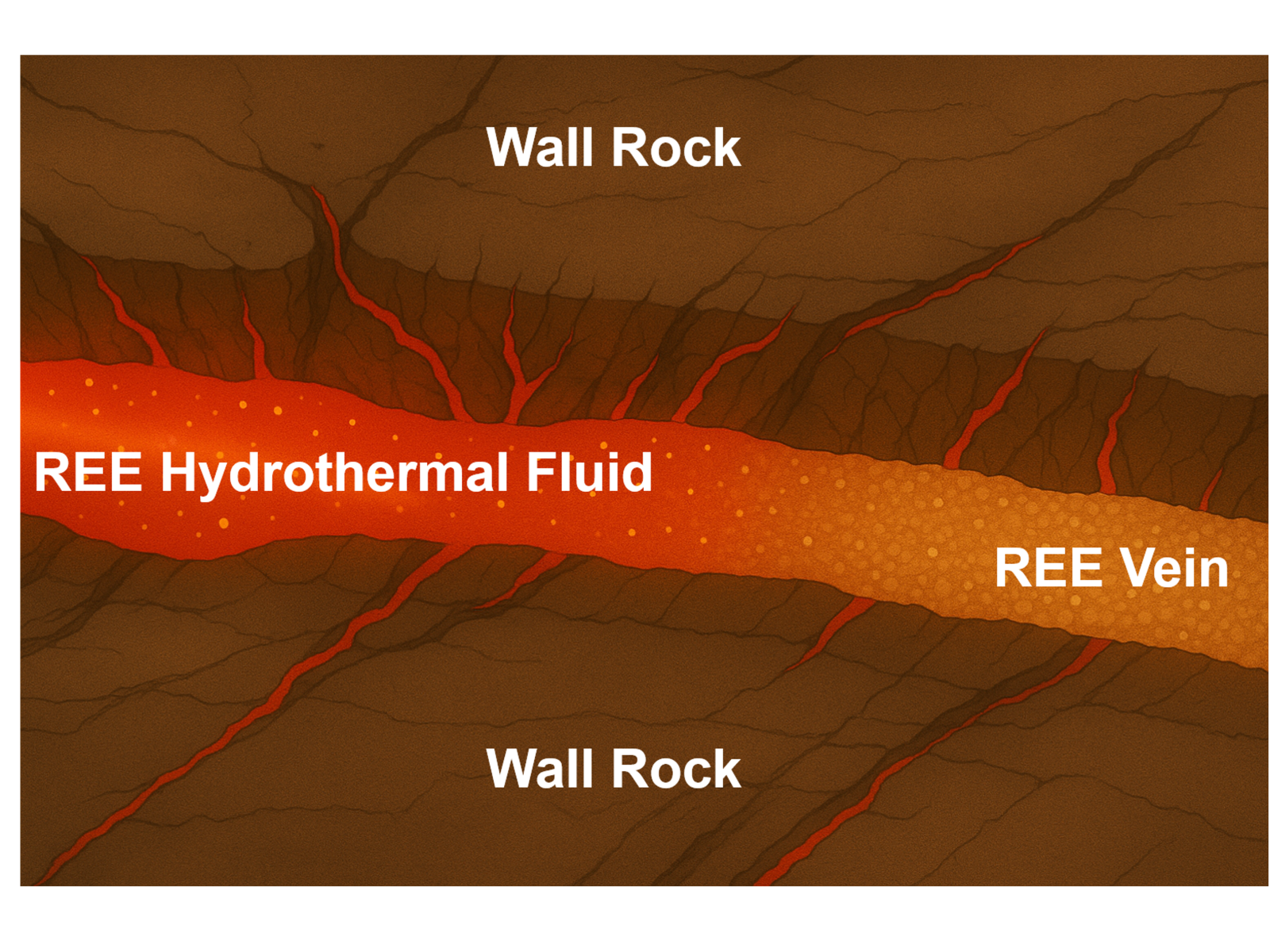
Rare-earth hydrothermal fluid moving through wall rock and forming a mineral vein

Ytterbium coordination in hydrothermal fluids

Xiaodong Zhao combines X-ray absorption spectroscopy and ab initio molecular dynamics to investigate ytterbium–sulfate coordination in hot fluids. The collaboration with the Xin Zhang group (PNNL) examines the molecular environment of dissolved ytterbium.

Read more →
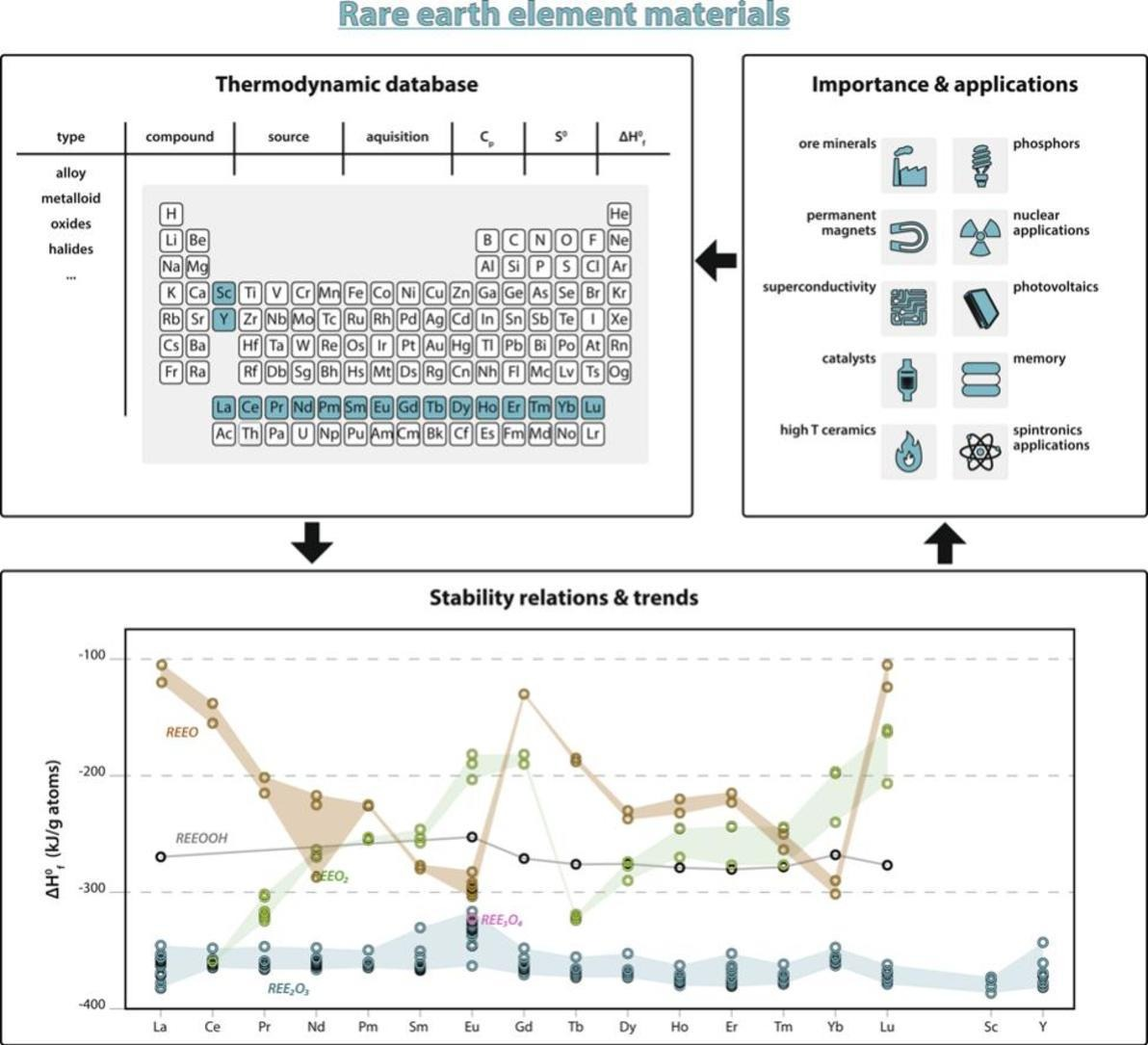
Rare-earth thermodynamic database, compound stability trends and materials applications.

Making rare-earth thermodynamic data accessible

Gabriel Oliveira and Juejing Liu contribute data curation to Manuel Scharrer’s review of rare-earth thermodynamics, linking 75 years of measurements with materials applications. The collaboration with the Navrotsky group (ASU) supports an accessible thermodynamic database.

Read more →
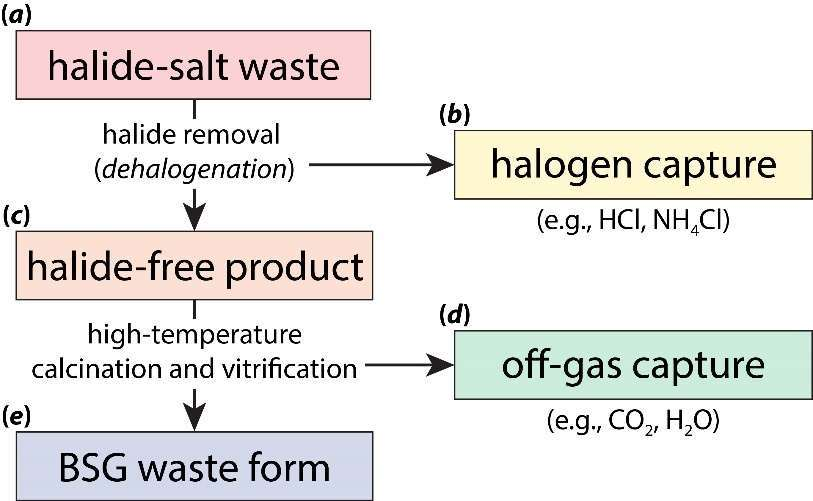
Process diagram for halide removal, halogen capture, and vitrification of salt waste into borosilicate glass

Turning waste salts into glass

Hannah Hallikainen co-leads a study that uses organic acids to help remove halogens from nuclear salt wastes before conversion into borosilicate glass. The work is a collaboration with the Riley group (PNNL).

Read more →
Evelyn Andrade, recipient of an NE UNLP fellowship

Evelyn Andrade receives NE UNLP fellowship

Evelyn Andrade receives a DOE Nuclear Energy University Nuclear Leadership Program fellowship. She will work with PNNL scientists, using spectroscopy to investigate heavy metals in molten salts and their local chemical environments.

Read more →
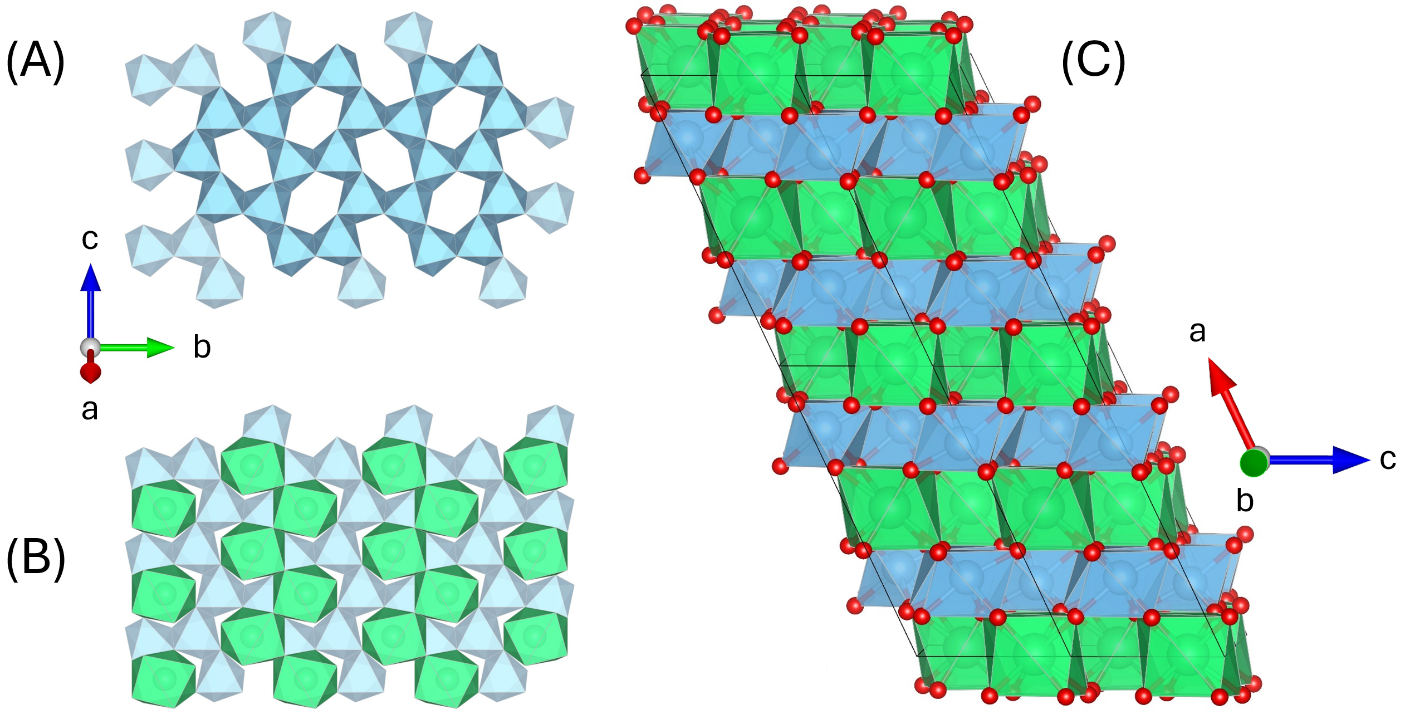
Polyhedral views of α-thorutite: titanium–oxygen sheets, thorium–oxygen chains, and the unit-cell arrangement

What stabilizes thorutite polymorphs?

Natalie Yaw combines synthesis, structural analysis, and calorimetry to compare two polymorphs of thorutite, ThTi₂O₆. The study connects differences in crystal structure with measurements of thermodynamic stability in this thorium-bearing oxide.

Read more →
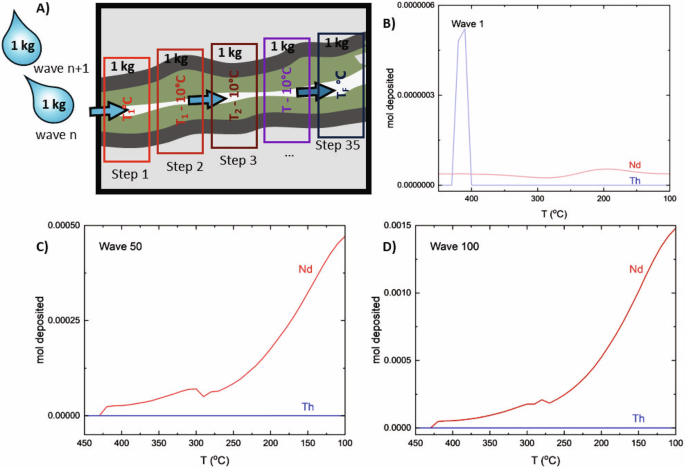
Flow model and temperature-dependent neodymium and thorium deposition in carbonate fluids

Neodymium transport in hot carbonate fluids

Margaret Reece measures neodymium–carbonate complex stability in fluids from 100 to 600 °C. The collaboration with colleagues at LANL examines the chemistry underlying neodymium transport in hot, carbonate-bearing solutions.

Read more →
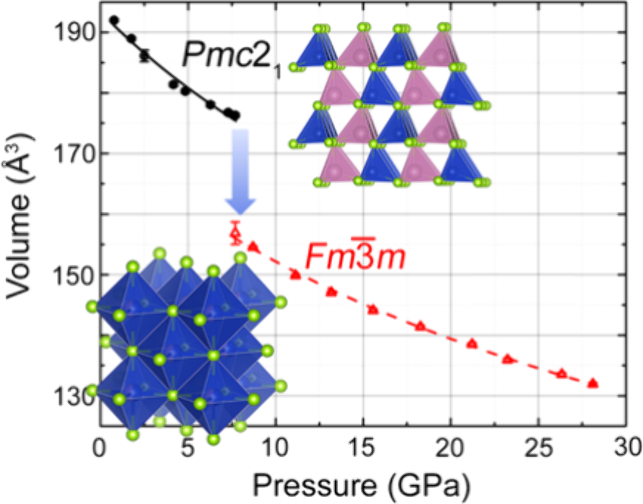
CuInSe₂ unit-cell volume versus pressure, showing the transition from wurtzite-like to rock-salt-like structure

Nanocrystal phase changes under pressure

Shinhyo Bang and Juejing Liu investigate pressure-driven phase transitions in metastable, wurtzite-like CuInSe₂ nanocrystals. The study brings together the Guo group and the Brutchey, Prezhdo, and Shao groups at USC.

Read more →
Hydrogel-infused ceramic manufacturing workflow: resin curing, solvent exchange, metal-ion infusion, and calcination

Designing precursors for ceramic manufacturing

Natalie Yaw explores how hydrogel and metal-salt precursors shape ceramic quality during additive manufacturing. The collaboration with the Ferrier and Martin groups (LLNL) focuses on precursor design for hydrogel-infusion approaches.

Read more →
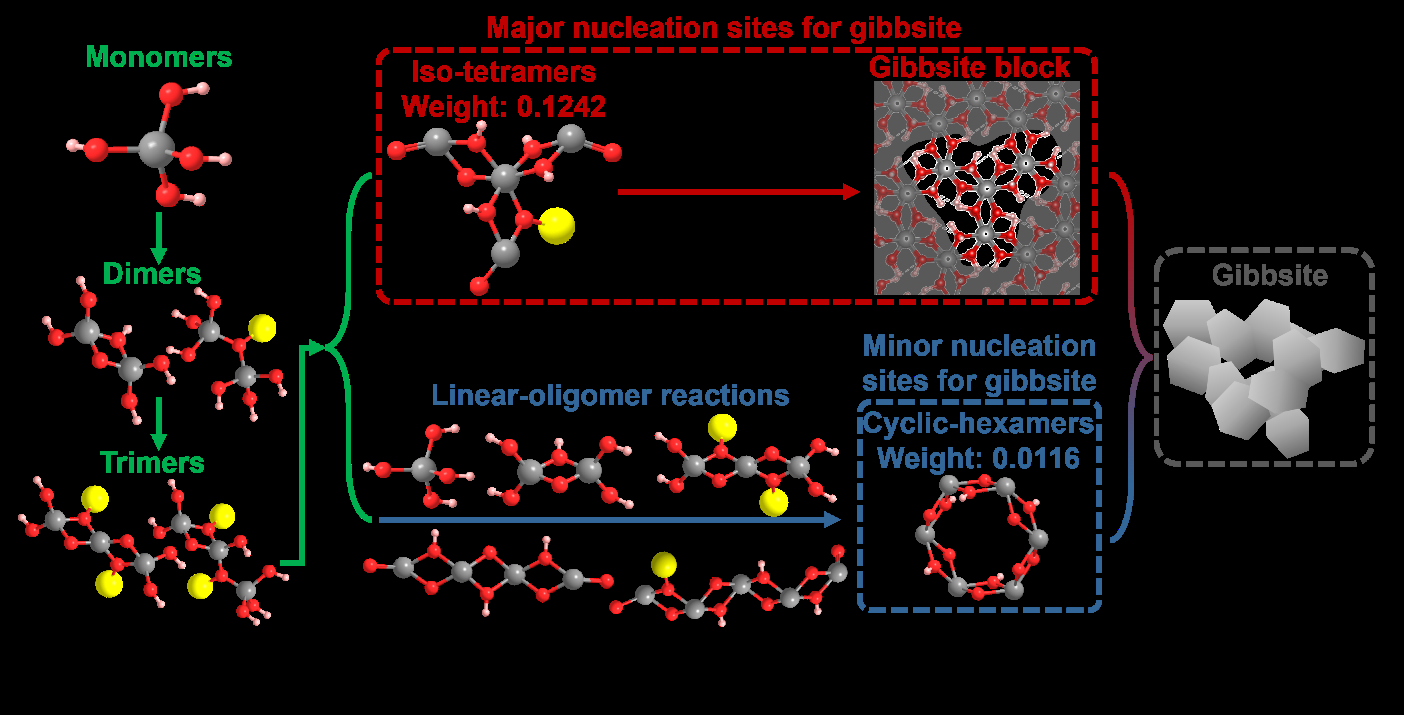
Aluminum-hydroxide oligomers and their proposed roles in gibbsite nucleation

Watching gibbsite nucleation begin

Juejing Liu identifies aluminum-hydroxide oligomers involved in gibbsite nucleation and crystallization in sodium aluminate solutions. The study uses liquid ToF-SIMS in collaboration with the Rosso, Zhu, and Xin Zhang groups (PNNL).

Read more →
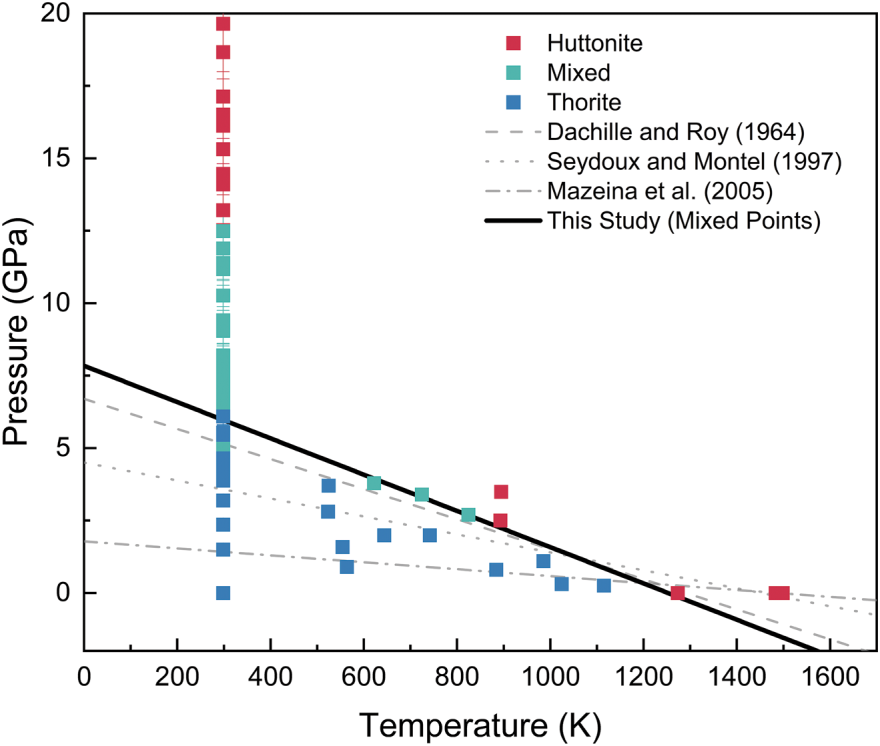
Pressure–temperature phase diagram for thorite and huttonite

Thorite’s phase stability under pressure

Andrew Strzelecki and collaborators investigate thorite’s transformation to huttonite under pressure. Diffraction, Raman spectroscopy, and a revised phase diagram connect experimental observations with questions about stability among zircon-structured orthosilicates.

Read more →
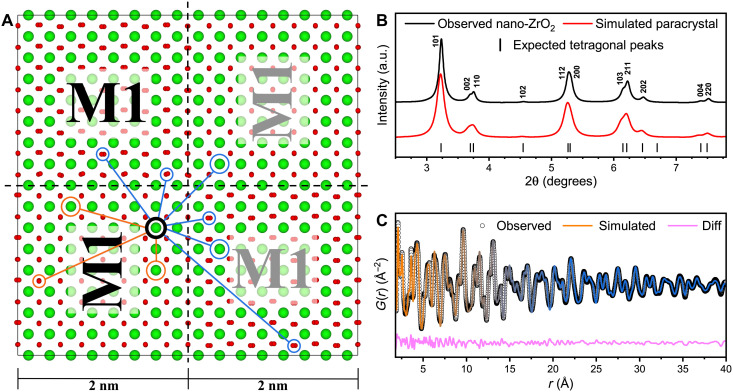
Four orthorhombic zirconia nanodomains generate tetragonal long-range order, with simulated diffraction and pair distributions.

Hidden nanoscale domains stabilize zirconia

Juejing Liu and the Guo group contribute EXAFS analysis revealing orthorhombic nanodomains within metastable tetragonal zirconia. Alexandre Solomon leads the study with the Lang group (Tennessee) and Gianguido Baldinozzi (CNRS/Paris-Saclay).

Read more →
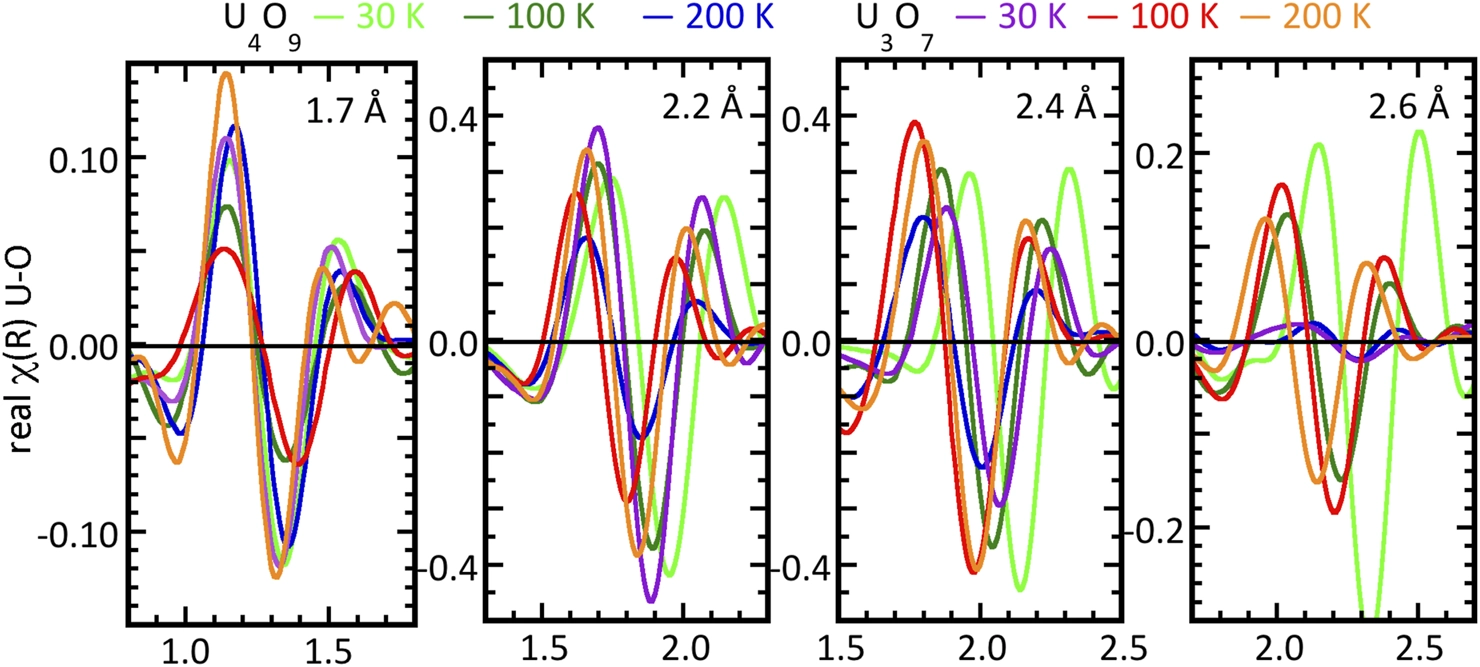
Temperature-dependent U–O neighbor-shell EXAFS contributions for U4O9 and U3O7.

Why uranium-oxide local structures keep rearranging

Guo group involvement supports conceptualization, methods, and validation in Jarrod Lewis’s study of temperature-dependent U–O rearrangements. EXAFS separates oxidation-induced distortions from irradiation disorder, with Ross Springell (Bristol) and Steven Conradson (WSU).

Read more →
Rare-earth mixing in rhabdophane

Rare-earth mixing in rhabdophane

Emma Kindall contributes to a calorimetry and structural study of rare-earth mixing in rhabdophane. The collaboration with the Gysi group (NMT) examines non-ideal behavior in cerium–rare-earth phosphate solid solutions.

Read more →
Cation ordering in sodium-ion batteries

Cation ordering in sodium-ion batteries

Juejing Liu contributes to a study linking interlayer cation ordering with sodium transport in battery cathodes. The collaboration brings together the Xiong (BSU), Osti (ORNL), and Ong (UCSD) groups.

Read more →
Nanotraps for platinum–palladium separation

Nanotraps for platinum–palladium separation

Juejing Liu and Andrew Strzelecki contribute to a study of nanotraps for platinum–palladium separation. The collaboration with the Ma group (UNT) tailors the coordination environment used to distinguish these closely related metals.

Read more →
Multifunctional gold–thiolate polymers

Multifunctional gold–thiolate polymers

Juejing Liu contributes to a study of multifunctional gold–thiolate coordination polymers, including luminescence, glass formation, and phase-change behavior. The work is a collaboration with Mesbah and the Demessence group (IRCELYON).

Read more →
Shinhyo Bang receives J. Ivan Legg fellowship

Shinhyo Bang receives J. Ivan Legg fellowship

Shinhyo Bang receives the J. Ivan Legg Graduate Fellowship in Chemistry in recognition of his research commitment to advancing the physical sciences. Congratulations on this graduate research honor.

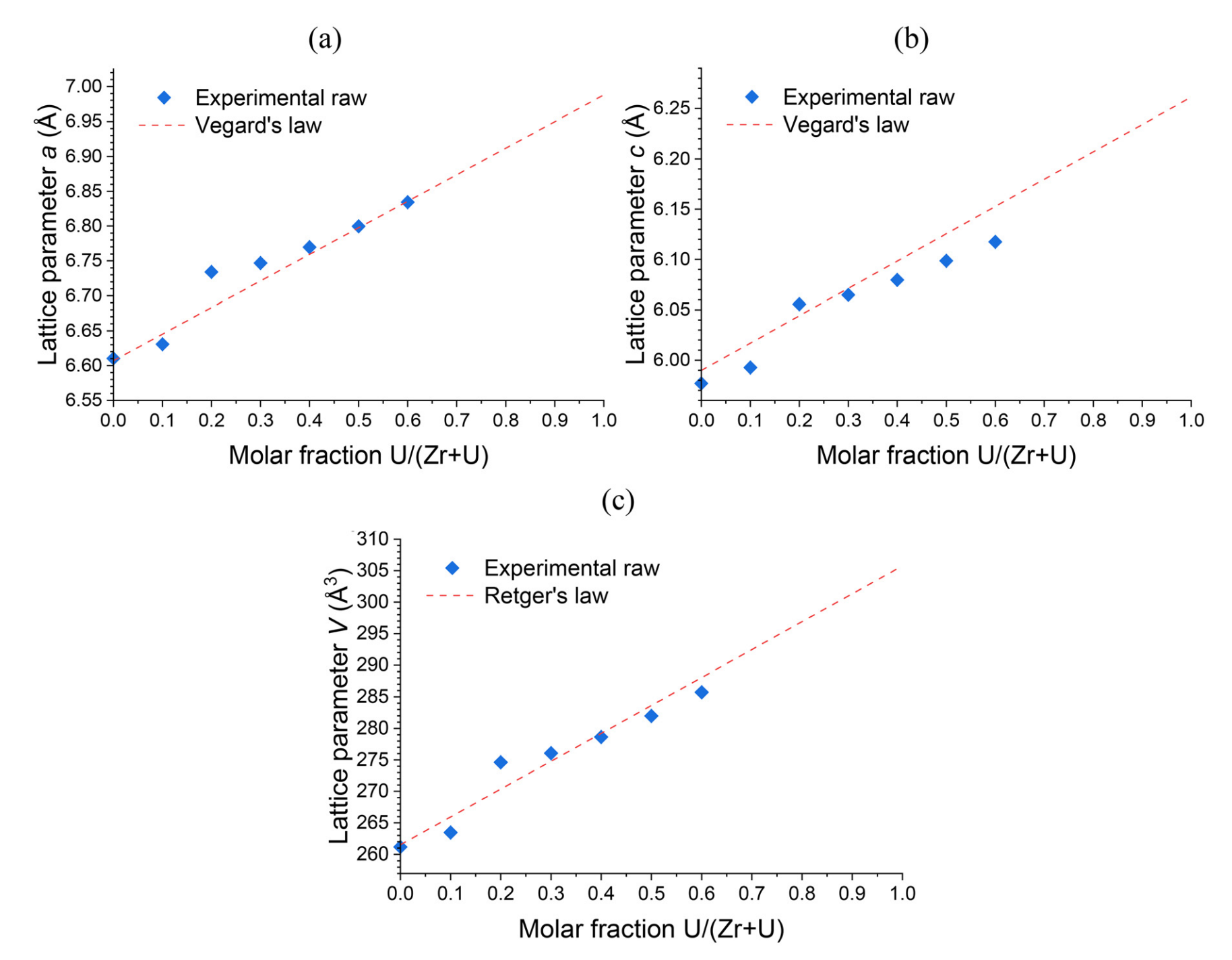
Oxidation of uranium–zirconium oxides

Oxidation of uranium–zirconium oxides

Sam Karcher studies the preparation and oxidation of uranium–zirconium oxide fuel materials. The collaboration with the McCloy group (WSU) examines mixed-oxide compositions described by (U₁₋ᵧZrᵧ)O₂₊ₓ and their response to oxidation.

Read more →
Yecenia Cortez receives Auvil Scholars Fellowship

Yecenia Cortez receives Auvil Scholars Fellowship

Yecenia Cortez receives the Auvil Scholars Fellowship, which will support her undergraduate research during the 2024–2025 academic year. Congratulations to Yecenia on this research award.

Bhargav Iyer receives Undergraduate Research Fellowship

Bhargav Iyer receives Undergraduate Research Fellowship

Bhargav Iyer receives an Undergraduate Research Fellowship to support his research during the 2024–2025 academic year. Congratulations to Bhargav on this support for his undergraduate work.

Phonon softening in cerium orthosilicate

Phonon softening in cerium orthosilicate

Xiaodong Zhao uses density functional theory to investigate a pressure-induced phase transition in cerium orthosilicate, CeSiO₄. The study examines phonon softening as part of the material’s structural response to compression.

Read more →
Yecenia Cortez wins SURCA’s Crimson Award

Yecenia Cortez wins SURCA’s Crimson Award

Yecenia Cortez wins the Crimson Award, the top Engineering and Physical Sciences honor at SURCA 2024. Congratulations to Yecenia and all our undergraduate researchers who presented their work at the event.

Xiaodong Zhao receives CAS doctoral achievement award

Xiaodong Zhao receives CAS doctoral achievement award

Xiaodong Zhao receives the CAS Doctorate Student Achievement Award in the Sciences. The recognition honors his achievements during his Ph.D., with the award presentation scheduled for April 18, 2024.

Henry Anderson selected for PNNL national security internship

Henry Anderson selected for PNNL national security internship

Henry Anderson is accepted into the National Security Internship Program at Pacific Northwest National Laboratory. He will spend summer 2024 conducting a radiochemistry internship at the laboratory’s Radiochemical Processing Laboratory.

Rare-earth incorporation in gibbsite

Rare-earth incorporation in gibbsite

Xiaodong Zhao investigates how scandium, yttrium, and lanthanum are incorporated into gibbsite, an aluminum-hydroxide mineral. The study examines uptake of these three rare-earth elements within the same mineral host.

Read more →
Surface energetics of yttrium pyrochlore

Surface energetics of yttrium pyrochlore

Margaret Reece investigates the surface thermodynamics of yttrium titanate pyrochlore nanoparticles. The work examines the energetics associated with nanoscale surfaces in this oxide, adding thermodynamic measurements to the study of pyrochlore materials.

Read more →
Radiation effects on aluminum hydroxides

Radiation effects on aluminum hydroxides

Rachael Bergman contributes to a study of ionizing radiation and the thermodynamic stability of boehmite and gibbsite. The collaboration with the Xin Zhang group (PNNL) compares radiation effects in these aluminum hydroxides.

Read more →
Bryn Merrill selected for LANL’s Seaborg program

Bryn Merrill selected for LANL’s Seaborg program

Bryn Merrill is accepted into the Seaborg Institute Graduate Program at Los Alamos National Laboratory. She will join the EES-16 research environment as a Seaborg student during summer 2024.

Zircon-type materials: structure and stability

Zircon-type materials: structure and stability

Andrew Strzelecki reviews the crystal chemistry and thermodynamic properties of zircon-structure materials. The work brings structural and energetic perspectives together to examine this family of minerals and related compounds.

Read more →
Measuring molten-salt mixing enthalpies

Measuring molten-salt mixing enthalpies

Andrew Strzelecki develops a high-temperature drop-calorimetry method for measuring molten-salt mixing enthalpies. The collaboration with colleagues at LANL focuses on experimental methodology for quantifying the heat associated with mixing salts.

Read more →
Navrotskyite: a new uranyl-sulfate mineral

Navrotskyite: a new uranyl-sulfate mineral

Our group contributes to identifying navrotskyite, a sodium–potassium uranyl-sulfate mineral from Utah’s Blue Lizard mine named for Alexandra Navrotsky. The study is a collaboration with Olds and colleagues at CMNH.

Read more →
Cerium–indium compounds under pressure

Cerium–indium compounds under pressure

Andrew Strzelecki combines synchrotron diffraction and density functional theory to study Ce₂In and Ce₃In under pressure. The collaboration with colleagues at LANL examines structural changes and elastic properties in these cerium–indium compounds.

Read more →
Xiaodong Zhao defends Chemistry Ph.D.

Xiaodong Zhao defends Chemistry Ph.D.

Xiaodong Zhao successfully defends his Ph.D. in Chemistry and will continue his research at Pacific Northwest National Laboratory. Congratulations to Dr. Zhao on completing his doctoral studies.

Maggie Reece defends Chemistry Ph.D.

Maggie Reece defends Chemistry Ph.D.

Maggie Reece successfully defends her Ph.D. in Chemistry and will continue her research as a postdoctoral researcher at Los Alamos National Laboratory. Congratulations to Dr. Reece on completing her doctorate.

Cooperative catalysis in porous MOFs

Cooperative catalysis in porous MOFs

Vitaliy Goncharov contributes to a study of cooperative catalysis in functionalized porous metal–organic frameworks. The collaboration with the Qiang Zhang group (WSU) investigates how these framework systems support catalytic performance.

Read more →
Machine learning for iron-oxide synthesis

Machine learning for iron-oxide synthesis

Juejing Liu applies machine learning to the phase- and size-controlled synthesis of iron-oxide particles. The study uses a data-driven approach to investigate synthesis conditions and the resulting particle phases and sizes.

Read more →
Automating synchrotron diffraction analysis

Automating synchrotron diffraction analysis

Xiaodong Zhao and Juejing Liu use machine learning to automate analysis of large synchrotron X-ray diffraction datasets. Their work connects computational analysis with the scale of data produced by synchrotron measurements.

Read more →
Thermodynamics of NaCl–KCl salts

Thermodynamics of NaCl–KCl salts

Vitaliy Goncharov investigates the thermodynamics of NaCl–KCl salts from 25 to 950 °C. The collaboration with Lonergan and colleagues (PNNL) examines this binary salt system over a broad temperature range.

Read more →
Hydrothermal routes to zircon–cerium silicates

Hydrothermal routes to zircon–cerium silicates

Andrew Strzelecki contributes to a study of hydrothermal synthesis of zirconium–cerium orthosilicate solid solutions. The collaboration with the Dacheux group (ICSM) investigates preparation routes for cerium incorporation into zircon-type materials.

Read more →
Uranium uptake by phosphate minerals

Uranium uptake by phosphate minerals

Juejing Liu, Andrew Strzelecki, and Xiaodong Zhao contribute to a study of uranium uptake by phosphate minerals under hydrothermal conditions. The work is a collaboration with the Gabitov group (MSU).

Read more →
MOF-based battery electrolytes

MOF-based battery electrolytes

Juejing Liu contributes to a study of metal–organic frameworks as quasi-solid-state battery electrolytes. The collaboration with the Song group (WSU) examines tunable framework structures alongside their electrochemical properties.

Read more →
Savannah Kahl receives Auvil Scholars Fellowship

Savannah Kahl receives Auvil Scholars Fellowship

Savannah Kahl receives the Auvil Scholars Fellowship to support her undergraduate research during the 2023–2024 academic year. Congratulations to Savannah on this award supporting her research.

Vitaliy Goncharov defends Materials Science Ph.D.

Vitaliy Goncharov defends Materials Science Ph.D.

Vitaliy Goncharov successfully defends his Ph.D. in Materials Science and Engineering and will join Arizona State University as a postdoctoral researcher. Congratulations to Dr. Goncharov on completing his doctorate.

Formation and oxidation of uranium carbide

Formation and oxidation of uranium carbide

Vitaliy Goncharov investigates the energetics of uranium carbide formation and oxidation. The study examines both the formation of this nuclear-fuel material and its reaction with oxygen from a thermodynamic perspective.

Read more →
Learning elastic moduli from ultrasound

Learning elastic moduli from ultrasound

Juejing Liu combines graphical fingerprints and machine learning to retrieve elastic moduli from resonant ultrasound spectra. The method connects features in measured resonance patterns with the mechanical properties being determined.

Read more →
Emma Carlsen receives DOE UNLP fellowship

Emma Carlsen receives DOE UNLP fellowship

Emma Carlsen receives a DOE University Nuclear Leadership Program fellowship. The three-year award through NEUP will support her graduate research on nuclear fuels. Congratulations to Emma on this fellowship.

Matthew Heaney receives DOE and NDSEG fellowships

Matthew Heaney receives DOE and NDSEG fellowships

Matthew Heaney receives both DOE University Nuclear Leadership Program and Department of Defense NDSEG fellowships. The three-year awards will support his graduate research involving nanoscale materials and mixed-oxide nuclear fuels.

Bryn Merrill receives NASA Space Grant Fellowship

Bryn Merrill receives NASA Space Grant Fellowship

Bryn Merrill receives a NASA Space Grant Fellowship in Chemistry to support her research project on high-entropy thermal-barrier coatings. Congratulations to Bryn on this fellowship and research support.

Shinhyo Bang selected for LANL’s Seaborg program

Shinhyo Bang selected for LANL’s Seaborg program

Shinhyo Bang is accepted into the Seaborg Institute Graduate Program at Los Alamos National Laboratory. He will spend three months in EES-16 conducting research as a Seaborg student during summer 2023.

Uranium deposition from molten salts

Uranium deposition from molten salts

Our group investigates uranium deposition through redox replacement of lanthanum in molten LiCl–KCl. The collaboration with the Ivory group (WSU) examines an electrochemical approach to depositing uranium from a molten-salt environment.

Read more →
Cerium orthosilicate under pressure

Cerium orthosilicate under pressure

Andrew Strzelecki investigates the high-pressure structure and thermodynamic properties of cerium orthosilicate, CeSiO₄. The study brings crystal-structure observations and thermodynamic analysis together to examine the material under compression.

Read more →
Single-atom platinum for glucose sensing

Single-atom platinum for glucose sensing

Juejing Liu and Andrew Strzelecki contribute to a study of single-atom platinum supported on Cu@CuO core–shell nanowires. The work investigates electrochemical catalysis and non-enzymatic glucose sensing using this material combination.

Read more →
Grain size and zirconium-carbide oxidation

Grain size and zirconium-carbide oxidation

Xiaodong Zhao contributes to a study of thermally induced oxidation in zirconium carbide. The collaboration with the Lang group (UTK) examines how grain size influences the material’s oxidation response during heating.

Read more →
Thorium crystals for X-ray applications

Thorium crystals for X-ray applications

Our group studies stepwise crystallization of millimeter-scale thorium cluster crystals for X-ray detection and shielding. The collaboration with the Lin group (XJTU) explores both applications within a single crystalline material platform.

Read more →
Neodymium in hot carbonate fluids

Neodymium in hot carbonate fluids

Vitaliy Goncharov contributes to a study of neodymium solubility and speciation in carbonate-bearing fluids up to 250 °C. The collaboration with Nisbet and colleagues (LANL) examines dissolved neodymium under hydrothermal conditions.

Read more →
NRC supports spent-fuel stability research

NRC supports spent-fuel stability research

The Guo group begins NRC-funded research on uranium-nitride and uranium–silicide spent nuclear fuels. The project investigates degradation pathways and long-term stability relevant to pool storage and dry-disposal conditions.

Read more →
Clinoptilolite under pressure

Clinoptilolite under pressure

Andrew Strzelecki uses high-pressure synchrotron diffraction to determine the pressure–volume equation of state of natural clinoptilolite. The study characterizes how this mineral’s volume responds to compression through direct structural measurements.

Read more →
DOE NEUP supports collaborative molten-salt modeling

DOE NEUP supports collaborative molten-salt modeling

The Guo group begins DOE NEUP-funded molten-salt research in a Penn State-led collaboration. The project develops a community framework for predictive modeling of critical salt characteristics, connecting thermodynamics with coordinated modeling efforts.

Read more →
Andrew Strzelecki defends Materials Science Ph.D.

Andrew Strzelecki defends Materials Science Ph.D.

Andrew Strzelecki successfully defends his Ph.D. in Materials Science and Engineering and continues his research as a postdoctoral researcher at Los Alamos National Laboratory. Congratulations to Dr. Strzelecki on completing his doctorate.

Read more →
Kyle Kriegsman earns Chemistry master’s degree

Kyle Kriegsman earns Chemistry master’s degree

Kyle Kriegsman earns his M.S. in Chemistry and is pursuing a career in the Army. Congratulations to Kyle on completing his graduate studies.

Thermodynamics of aluminum-based MOFs

Thermodynamics of aluminum-based MOFs

Vitaliy Goncharov investigates energetic differences among aluminum-trimesate metal–organic framework isomers. The collaboration with the Qiang Zhang group (WSU) compares the thermodynamics of related frameworks with different structural arrangements.

Read more →
NSF CAREER award supports high-entropy ceramics research

NSF CAREER award supports high-entropy ceramics research

NSF CAREER funding supports the Guo group’s work on f-block high-entropy ceramics. The research investigates the thermodynamics of these multicomponent materials and how that thermodynamic behavior can be regulated.

MXene stability and interfaces

MXene stability and interfaces

Vitaliy Goncharov compares the stability and interfaces of Ti₃C₂Tₓ MXenes made using different etching agents. The collaboration with the Wu group (WSU) examines how preparation chemistry relates to the resulting material’s energetics.

Read more →
Order and disorder in one framework

Order and disorder in one framework

Our group studies a nested framework that combines a crystalline matrix with amorphous-like internal regions. The collaboration with the Lü group (HPSTAR) examines a material containing ordered and disordered features within one framework.

Read more →
Photosensitive uranyl polymers

Photosensitive uranyl polymers

Our group investigates enhanced photosensitivity through the assembly of a uranyl coordination polymer. The collaboration with the Lin group (XJTU) connects the construction of this uranium-containing framework with its response to light.

Read more →
Formation and oxidation of uranium nitride

Formation and oxidation of uranium nitride

Vitaliy Goncharov investigates the energetics of uranium-mononitride formation and oxidation. The study examines this nuclear-fuel material from a thermodynamic perspective, connecting its formation energetics with its reaction with oxygen.

Read more →
Rare-earth silicate oxyapatites

Rare-earth silicate oxyapatites

Andrew Strzelecki examines the structure and thermodynamics of calcium rare-earth silicate oxyapatites containing praseodymium, terbium, holmium, or thulium. The study compares members of this mineral family through structural and energetic characterization.

Read more →
Heavy rare-earth mixing in xenotime

Heavy rare-earth mixing in xenotime

Andrew Strzelecki examines erbium–ytterbium mixing in xenotime solid solutions. The study combines crystal chemistry and thermodynamics to investigate how these heavy rare-earth elements share the mineral structure across different compositions.

Read more →
Jonathan Evarts selected for WSU–PNNL graduate research program

Jonathan Evarts selected for WSU–PNNL graduate research program

Jonathan Evarts is accepted into the WSU–PNNL Distinguished Graduate Research Program. He will begin research at Pacific Northwest National Laboratory through this graduate-research partnership between the university and national laboratory.

Bryn Merrill selected for WSU–PNNL graduate research program

Bryn Merrill selected for WSU–PNNL graduate research program

Bryn Merrill is accepted into the WSU–PNNL Distinguished Graduate Research Program. Through the partnership, she is expected to conduct research at Pacific Northwest National Laboratory in 2024 as part of her graduate work.

Energetics of hydroxylbastnäsite

Energetics of hydroxylbastnäsite

Vitaliy Goncharov studies lanthanum–neodymium hydroxylbastnäsite solid solutions. The work examines their energetics, connecting changes in rare-earth composition with the thermodynamic description of this carbonate mineral family.

Read more →
Thorium frameworks and clusters

Thorium frameworks and clusters

Our group reviews applications of thorium-based metal–organic frameworks and molecular clusters. The collaboration with the Lin group (XJTU) brings together recent work on these extended frameworks and discrete thorium-containing assemblies.

Read more →
Fluocerite and rare-earth fractionation

Fluocerite and rare-earth fractionation

Andrew Strzelecki investigates fluocerite as a precursor to rare-earth fractionation in ore-forming systems. The work examines the mineral’s role in processes that separate rare-earth elements during the development of mineral deposits.

Read more →
Maggie Reece selected for LANL’s Seaborg program

Maggie Reece selected for LANL’s Seaborg program

Maggie Reece is accepted into the Seaborg Institute Graduate Program at Los Alamos National Laboratory. She will spend three months in EES-14 conducting research as a Seaborg student during summer 2022.